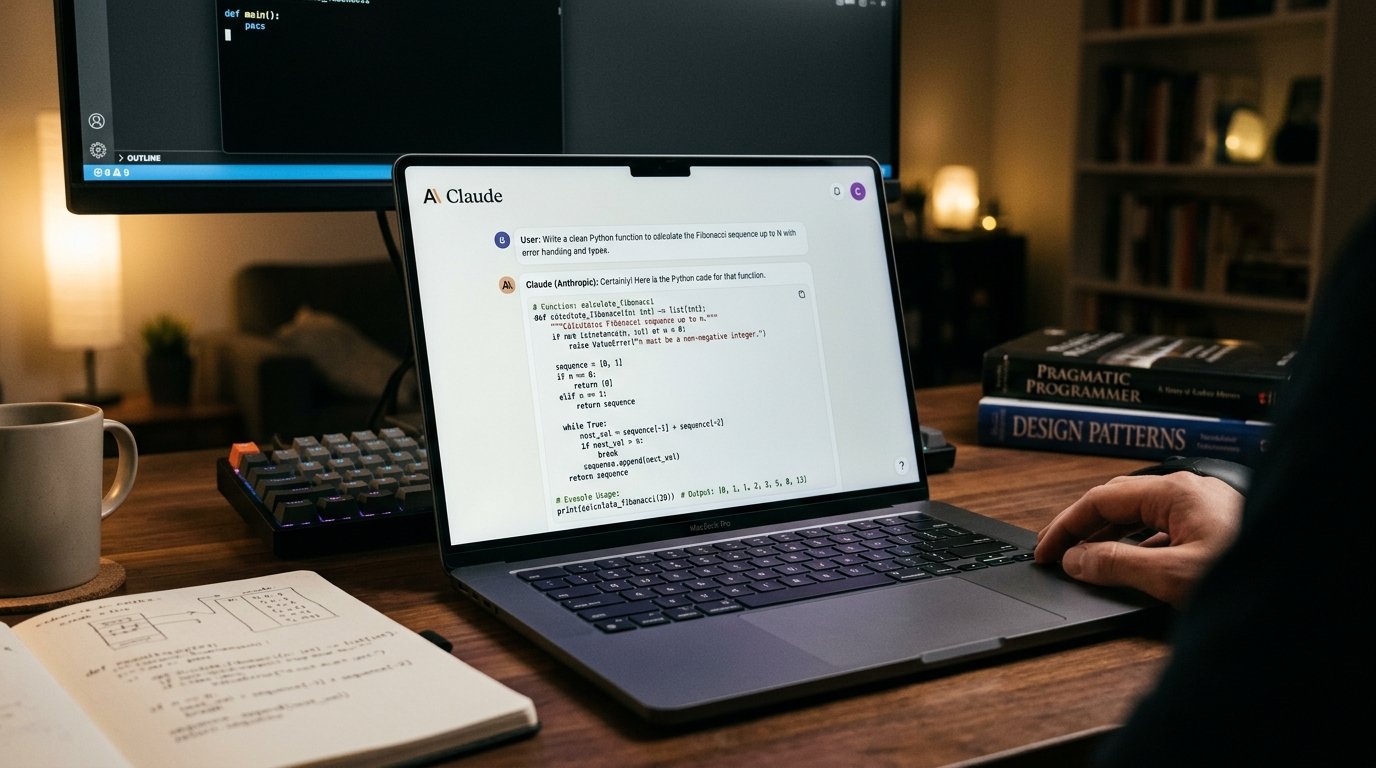
Anthropic's flagship generative artificial intelligence model, Claude 3.5 Sonnet, has emerged as the definitive tool of choice for professional software engineers, technology architects, and creative writers worldwide. Setting unprecedented benchmark records on SWE-bench Verified—a benchmark testing AI on resolving real-world GitHub pull requests—Claude 3.5 operates with nuanced comprehension that eliminates hallucinated syntax.
A standout feature is Anthropic's 'Artifacts' dynamic workspace, enabling developers to run and interact with React applications, Python algorithms, and vector charts alongside their text prompt. For Pakistan's software export sector, which generates billions in offshore engineering contracts, Claude 3.5 has accelerated full-stack development cycles and enterprise code audits.
The accelerating pace of technological innovation is fundamentally reshaping industries, enterprise workflows, and developer productivity across the globe. From generative AI models and automated code generation tools to edge computing devices, modern software architectures are democratizing technical enablement and lowering the barrier to entry for creative professionals.
In Pakistan's rapidly expanding IT services sector, the integration of advanced artificial intelligence tools is driving measurable improvements in software delivery speed and offshore client satisfaction. Industry leaders point out that companies embracing autonomous developer tools and cloud intelligence are significantly outpacing competitors in software exports, digital marketing, and business automation.
Looking forward, the focus is shifting toward ethical AI governance, local dataset fine-tuning, and robust cloud infrastructure. Technical education institutions and startup incubators are actively updating curricula to equip the next generation of engineers with specialized skills in agentic workflows, machine learning architectures, and scalable full-stack development.