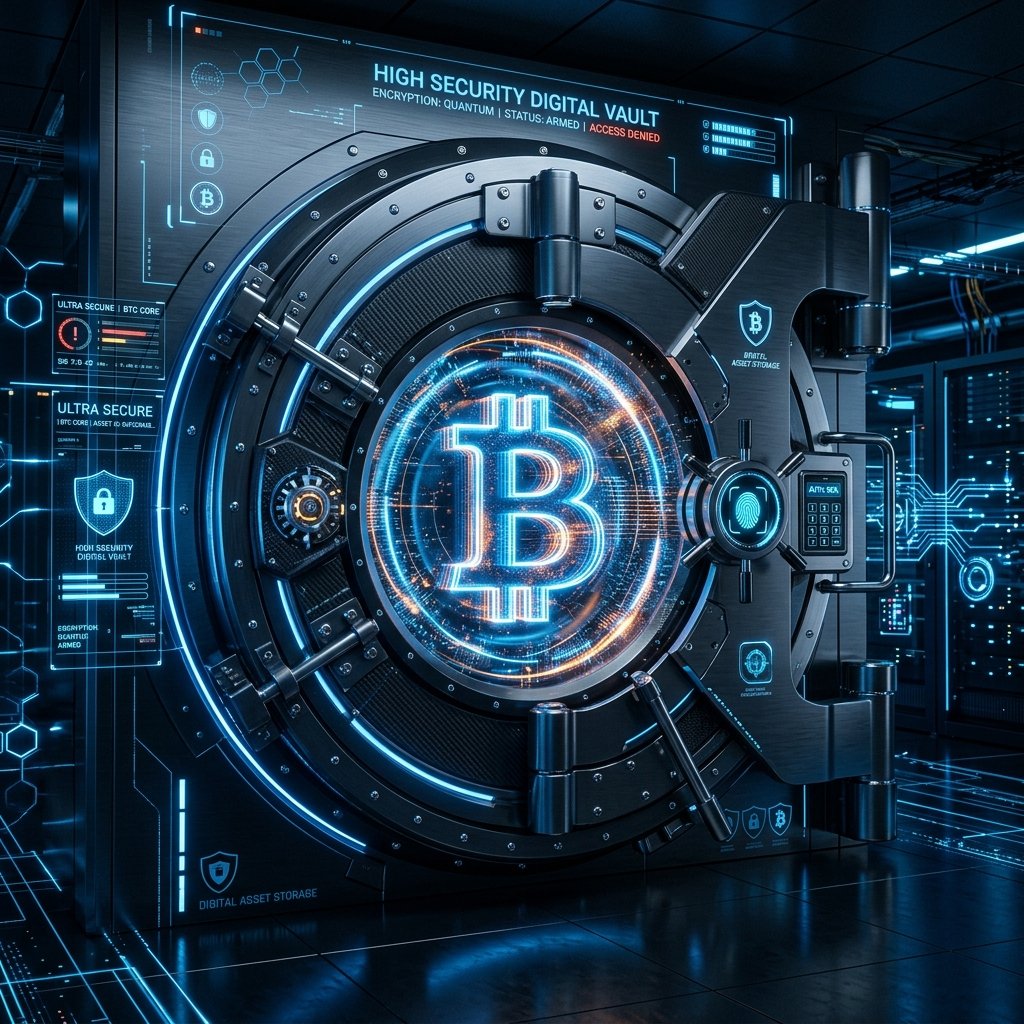
The foundational rule of decentralized finance is simple: 'Not your keys, not your coins.' Storing your cryptocurrency reserves on centralized exchanges leaves you vulnerable to account suspensions, regional restrictions, or platform insolvencies. For Pakistani investors holding long-term digital assets, understanding the difference between hot and cold wallets is the cornerstone of asset security in 2026.
A hot wallet—such as MetaMask, Phantom, or Trust Wallet—is connected to the internet and facilitates seamless interaction with decentralized applications, DEXes, and NFT marketplaces. However, because they reside on internet-connected devices, they are vulnerable to malware, clipboard hijackers, and phishing scams.
In contrast, cold hardware wallets—such as Ledger Stax or Trezor Safe—store your cryptographic private keys inside a secure element chip offline. Even when plugged into an infected computer, your private keys never leave the hardware device. Pakistanis holding substantial savings in Bitcoin or USDT are strongly encouraged to keep at least 80% of their holdings in cold storage while retaining only active trading balances on exchanges.
Strategic analysts emphasize that bilateral defense cooperation and modernization of military technology are vital for preserving regional equilibrium and national sovereignty. Integrating modern sensor arrays, cyber defense infrastructure, and aerospace technological frameworks enables the armed forces to address both conventional security dynamics and emerging asymmetrical challenges effectively.
In addition to military procurement, technological partnerships foster knowledge exchange and joint research initiatives between domestic defense engineering clusters and international firms. Institutional leadership regularly highlights the importance of indigenous innovation and self-reliance in aerospace engineering, avionics, and high-altitude communications to ensure robust long-term deterrence.