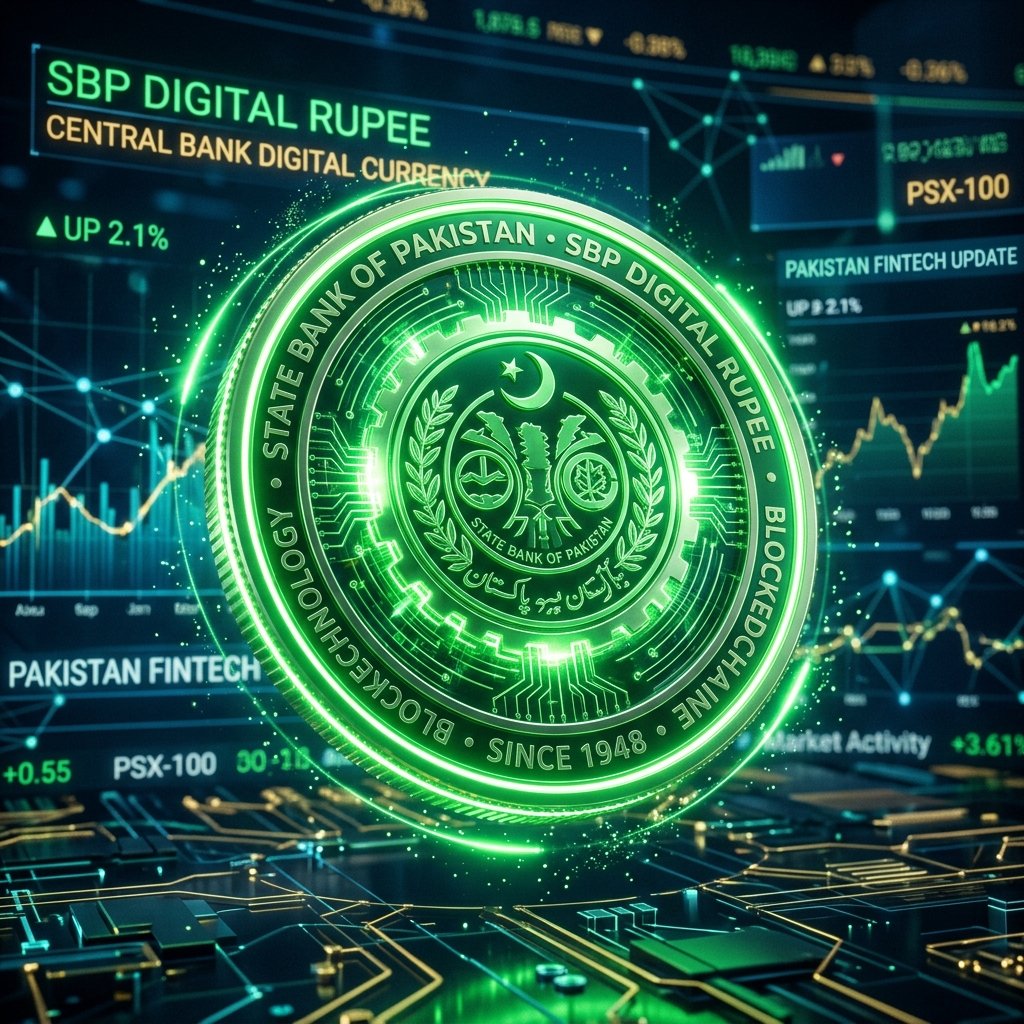
The regulatory landscape for digital currencies in Pakistan is witnessing historic developments in late 2026. The State Bank of Pakistan (SBP) has finalized structural parameters for its anticipated Central Bank Digital Currency (CBDC) pilot, commonly dubbed the 'Digital Rupee'. Unlike speculative decentralized cryptocurrencies, the Digital Rupee will represent legal sovereign tender issued by the central bank.
Simultaneously, the Securities and Exchange Commission of Pakistan (SECP) and the Ministry of Finance are progressing with stakeholder consultations on a progressive Virtual Assets Regulatory Framework. Designed to align with international FATF standards, the proposed regulations seek to establish licensing requirements for digital asset custodians, anti-money-laundering (AML) guardrails, and fair taxation models for verifiable crypto earnings.
Industry experts project that the integration of the Digital Rupee with Pakistan's existing instant payment railway, Raast, will dramatically lower transaction friction for micro-merchants and gig workers across the country while providing an orderly pathway toward modern Web3 technology adoption.
In recent years, Pakistan has emerged as one of the fastest-growing frontier markets for decentralized digital finance and freelance cross-border settlements. Peer-to-peer (P2P) stablecoin platforms and digital asset channels offer remote tech professionals a high-speed, cost-effective avenue to receive international payments without the delays and documentation hurdles often associated with legacy correspondent banking networks.
However, market participants must navigate complex regulatory dynamics and market liquidity variations. Financial authorities and central banking regulators maintain a vigilant eye on capital inflows, consumer safeguards, and anti-money laundering frameworks. Experts advise users to exercise rigorous diligence, rely on verified escrow systems, and adhere to tax compliance requirements when liquidating digital assets into local fiat currency.