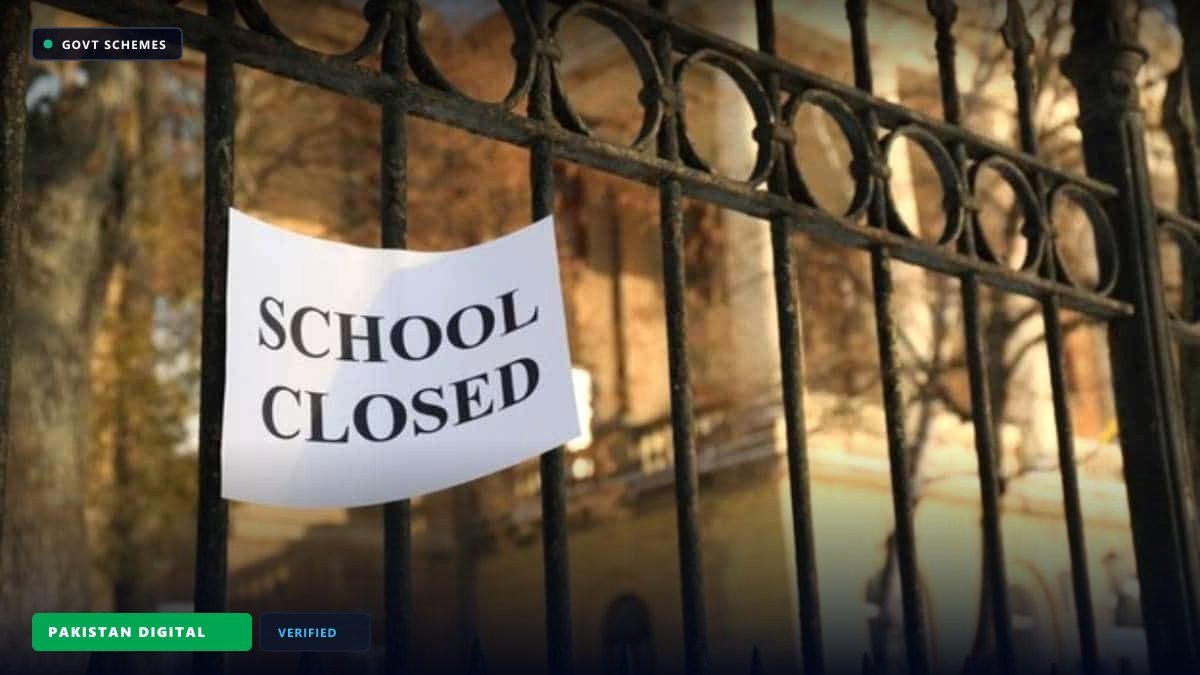
The Federal Education Secretary has ordered an immediate ban on students entering unsafe classrooms and buildings after inspections found dangerous structures at three of four educational institutions in Islamabad’s rural areas.
During the visit, the secretary directed the Federal Directorate of Education (FDE) to arrange alternative facilities for students at the affected schools.
He instructed the administration to ensure that no student enters any classroom or building declared unsafe. He also called for the identification of schools requiring repairs and the implementation of necessary safety measures.
“Providing students with a safe learning environment is our top priority. No dangerous building will be allowed to remain in use,” the secretary said.
He added that efforts to identify buildings needing repairs and protect students reflected the Prime Minister’s and government’s commitment to school safety.
During the inspections, the secretary also visited computer, Matric Tech, and science laboratories. He urged schools to make better use of these facilities and interactive boards to improve classroom learning.
Academic policymakers and educational leaders recognize that continuous curricular modernization and institutional reform are essential to preparing students for the evolving demands of a globalized knowledge economy.
Educational directorates and higher education boards are actively aligning examination methodologies with conceptual learning standards, digital learning management systems, and analytical competencies.
These educational initiatives aim to elevate academic excellence while ensuring equitable learning opportunities for students across all socio-economic backgrounds.
In addition to instructional updates, educational institutions are emphasizing the expansion of research facilities, merit-based scholarship programs, and teacher development seminars.
Close collaboration between academic councils, industry partners, and provincial education ministries ensures that institutional programs equip graduates with practical skills, technological literacy, and ethical leadership capabilities necessary for national development.
Students, parents, and academic administrators are advised to verify all notifications, examination dates, and syllabus guidelines through official board websites and certified academic portals.
Education authorities caution against unofficial digital circulars, urging stakeholders to rely strictly on accredited institutional circulars and authorized institutional helplines.